Frog Illustrations: A Playful Vector for Creative Projects
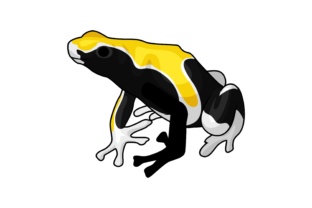
Capturing the essence of a subject in a single design asset is a challenge every creative professional faces. Sometimes, you need more than just a generic shape; you need personality. Enter the world of high-quality Frog Illustrations. These aren't just simple doodles; they are carefully crafted vector illustrations designed to bring life, whimsy, and a touch of nature to a wide array of projects. Whether you are a designer looking for a unique mascot, a marketer building a campaign, or a hobbyist creating personalized gifts, understanding the value of a versatile illustration like this is the first step toward elevating your work.
A high-quality frog illustration, particularly one available as a vector file, offers a unique combination of charm and technical flexibility. Visually, these assets often strike a balance between stylized art and recognizable form. They can range from cute and cartoonish, perfect for children's brands or playful social media content, to more detailed and sophisticated, suitable for editorial design or nature-themed packaging. The personality of a frog—often associated with transformation, luck, and nature—can subtly influence the perception of your project. A well-designed vector illustration of a frog isn't just an image; it's a character that can anchor a brand identity or add a memorable focal point to a layout.
Where a Frog Illustration Truly Shines
The applications for a versatile asset like Frog Illustrations are vast, spanning both digital and print realms. For designers and entrepreneurs, it can be the cornerstone of a logo design, especially for businesses related to environmental services, education, wellness, or anything that wants to convey a sense of growth and renewal. In packaging design, a charming frog can make a product stand out on the shelf, creating an immediate emotional connection with consumers. Think of artisanal goods, organic products, or even craft supplies.
In the digital space, the utility continues. For web design, a frog illustration can serve as an engaging mascot, guide users through a site, or add visual interest to an otherwise static page. Social media graphics come alive with such assets; a frog can be used in profile pictures, post templates, or story backgrounds to create a cohesive and recognizable brand presence. Bloggers and content creators can use them to illustrate articles about nature, personal growth, or simply to add a visual break in long-form text. For publishers, these illustrations can enhance book covers, chapter headings, or interior layouts for children's books or educational materials. Even crafters and hobbyists find immense value, using the vector files for custom stickers, t-shirt designs, greeting cards, and scrapbooking.
The Practical Advantages of a Vector File
When a resource is provided as an EPS file, it unlocks a level of control that raster images like JPGs cannot match. The core benefit of a vector illustration is its scalability. You can resize a frog illustration from the size of a postage stamp to a billboard without any loss of quality or sharpness. This is critical for maintaining a professional appearance across all mediums. Furthermore, a vector file is often editable. Depending on the file's construction, you might be able to adjust colors, remove or rearrange elements, and customize the illustration to perfectly fit your project's color palette and style. This flexibility is invaluable for creating a unique brand identity.
Alongside the EPS, the inclusion of a high-resolution JPG file ensures immediate usability. The JPG is perfect for quick placements in documents, presentations, social media posts, and digital mockups where full editability isn't required. It's a ready-to-use format that saves time. Having both formats in your design assets toolkit means you are prepared for any project scenario, from quick social media updates to large-scale print production.
Making the Right Choice for Your Project
Before incorporating any illustration, it's wise to evaluate its fit. Consider the overall style of your project. Does the personality of the Frog Illustrations align with your brand's voice? A playful, rounded frog might be perfect for a children's party planner but less suitable for a corporate law firm. Look at the details: the line work, the color palette (if provided), and the level of complexity. Does it complement your existing typography and other design elements? It should work in harmony, not compete for attention.
Testing is a simple but crucial step. Place the illustration in a mockup of your intended use—be it a website header, a product label, or a social media post. Does it maintain its clarity and impact? Check its readability at different sizes, especially if it contains fine details. If you're considering it for a logo, ensure it remains recognizable when scaled down to a favicon or a social media avatar. Finally, always review the licensing. A commercial font or illustration license dictates how you can legally use the asset. Ensure the license covers your intended use, whether it's for a single personal project or for unlimited commercial distribution in products for sale. This due diligence protects you and respects the creator's work, allowing you to use this creative font and illustration resource with full confidence.